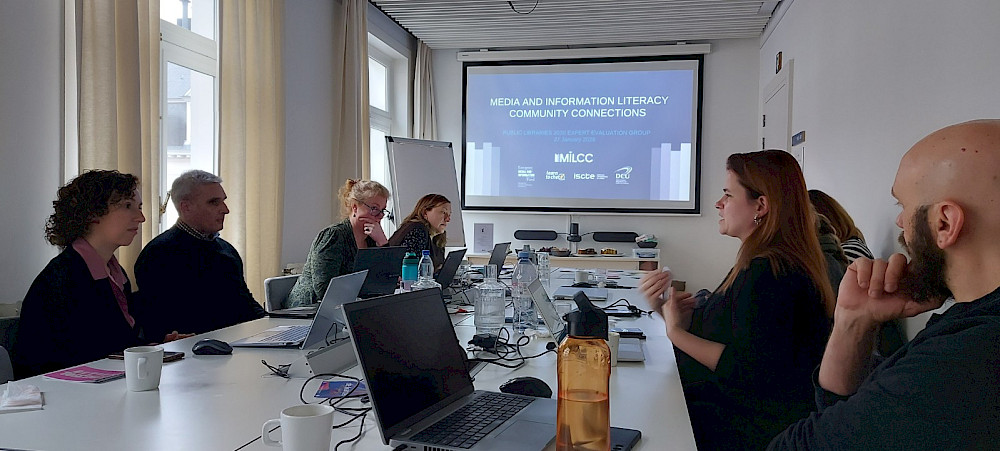


MIL-CC (Media and Information Literacy Community Connections) is pleased to announce that its media literacy training programme for public librarians is now freely available in English and Spanish. MIL-CC was a pilot project running in Ireland, Spain, and Portugal, exploring how best to design and deliver media literacy training for public librarians. Funded by the European Media and Information Fund and supported by public library authorities in each country, the project addressed the urgent need to upskill librarians with media literacy skills.
Public libraries play a crucial and trusted community role as venues for lifelong learning and social integration. However, librarians often lack tailored resources or training on media literacy. Existing resources are typically designed for schools and students, not for the diverse audiences served by public libraries. The core aim of MIL-CC was to develop a practical, relevant training programme that increases public librarians' knowledge and understanding of media literacy; builds librarians' confidence to curate events and engage with the public on media literacy topics; and adapts to the realities of library work including limited time, diverse audiences, and low-tech environments
The Training Programme
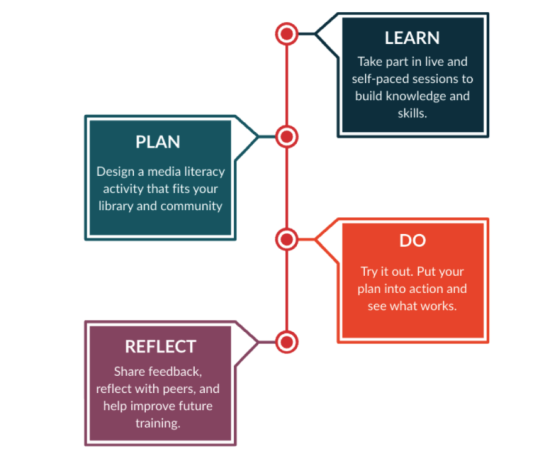
This comprehensive training programme is designed to build librarians' knowledge, skills, and confidence so they can commission, curate, or deliver media literacy events in their libraries. A key feature of this training programme is its low-tech design, making it flexible and accessible for librarians across diverse contexts. It combines live sessions (in-person and online) with self-paced learning through short, accessible online materials. For more detailed information about the training programme and how it operated, please refer to the project booklet.
Module 1: Introduction
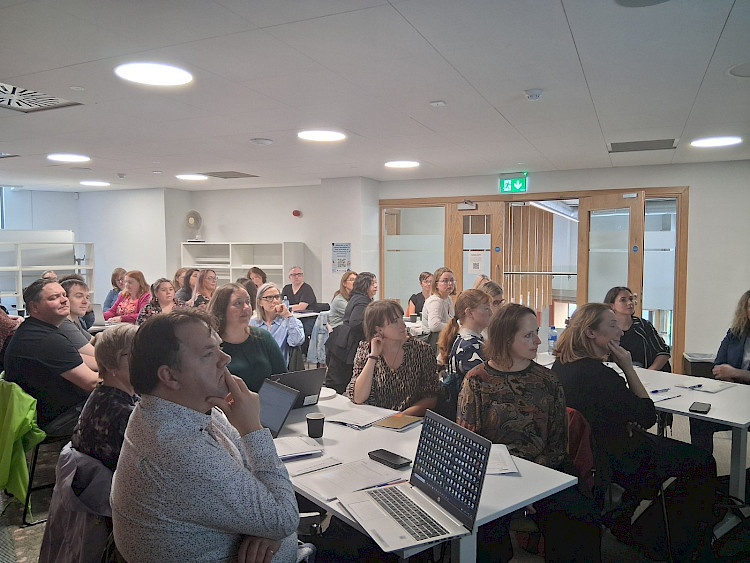
| 1.1: Introduction and Foundations of Media Information Literacy (MIL). | Format: Live in-person event. Available: slides (PDF) |
| 1.2: Key concepts relating to media literacy and disinformation | Format: Self-paced reading. Available articles: |
| 1.3: Understanding Influence, Disinformation and Its Consequences. | Format: Live online lecture. Available: slides (PDF) |
Module 2: Teaching MIL
| 2.1: Activities and Strategies to Teach Media Information Literacy. | Format: Live online lecture. Available: slides (PDF) |
| 2.2: Activities and Strategies to Teach Media Information Literacy. | Format: Self-paced reading. Available: article (PDF) |
Module 3: Developing MIL Activities
| 3.1: Creating a Draft Training Session. | Format: Self-paced reading. Available: planning booklet (PDF) |
| 3.2: Using EDMO MIL Guidelines and Project Templates. | Format: Live online lecture. Available: EDMO Guidelines (PDF) |
| 3.3: Feedback and Peer Review on Draft Proposal. | Format: Small group workshops. Available: No materials available |
Module 4: Implementation Review and Evaluation
| 4.1: Delivery of Community Media Information Literacy Activities. | Format: Practical activity (ideally in pairs). Available: No materials available |
| 4.2: Review and Evaluation of Activities. | Format: Practical activity (ideally in pairs). Available: No materials available |
Spanish-Language Version
A Spanish version of the programme, hosted by Learn To Check, is available here
About MIL-CC
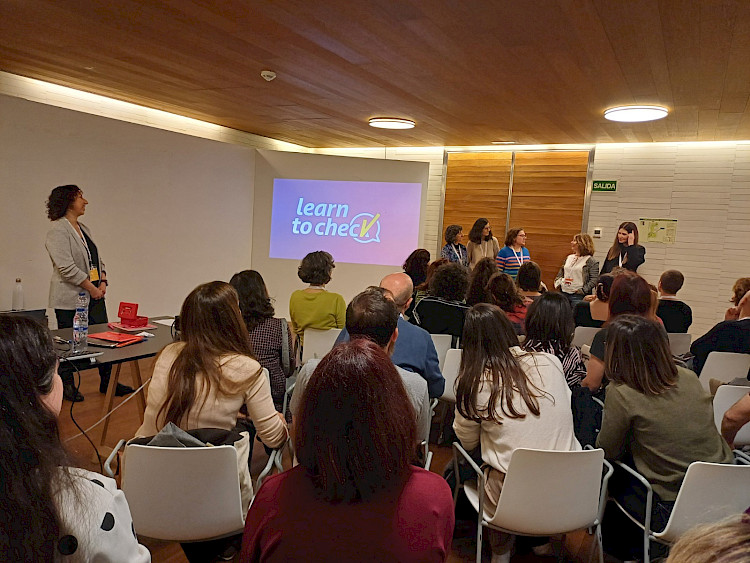
MIL-CC is coordinated by the University Institute of Lisbon (Iscte) in partnership with Learn to Check (Spain) and DCU FuJo (Ireland). The project is supported by the Portuguese Directorate-General for Books, Archives and Libraries (DGLAB), Portuguese Association of Librarians (BAD), Spanish Society of Scientific Documentation and Information (SEDIC), Ireland's Local Government Management Agency (LGMA), Public Libraries 2030 (PL2030), and Media Literacy Ireland (MLI).
Using these resources
These resources are free to use. When using these materials, please credit the project as follows: This training programme was developed as part of the MIL-CC (Media and Information Literacy Community Connections) project, funded by the European Media and Information Fund and coordinated by University Institute of Lisbon (Iscte) with Learn to Check and Dublin City University."
Related Projects
Funded by the European Media and Information Fund and coordinated by University Institute of Lisbon (Iscte), this project responded to an urgent need to upskill Europe’s public librarians with media and information literacy (MIL). MIL CC consisted of three highly experienced partners: the University Institute of Lisbon (coordinator), an academic institute with expertise in media literacy and journalism; Learn to Check, an NGO that promotes media and information literacy and critical thinking ...