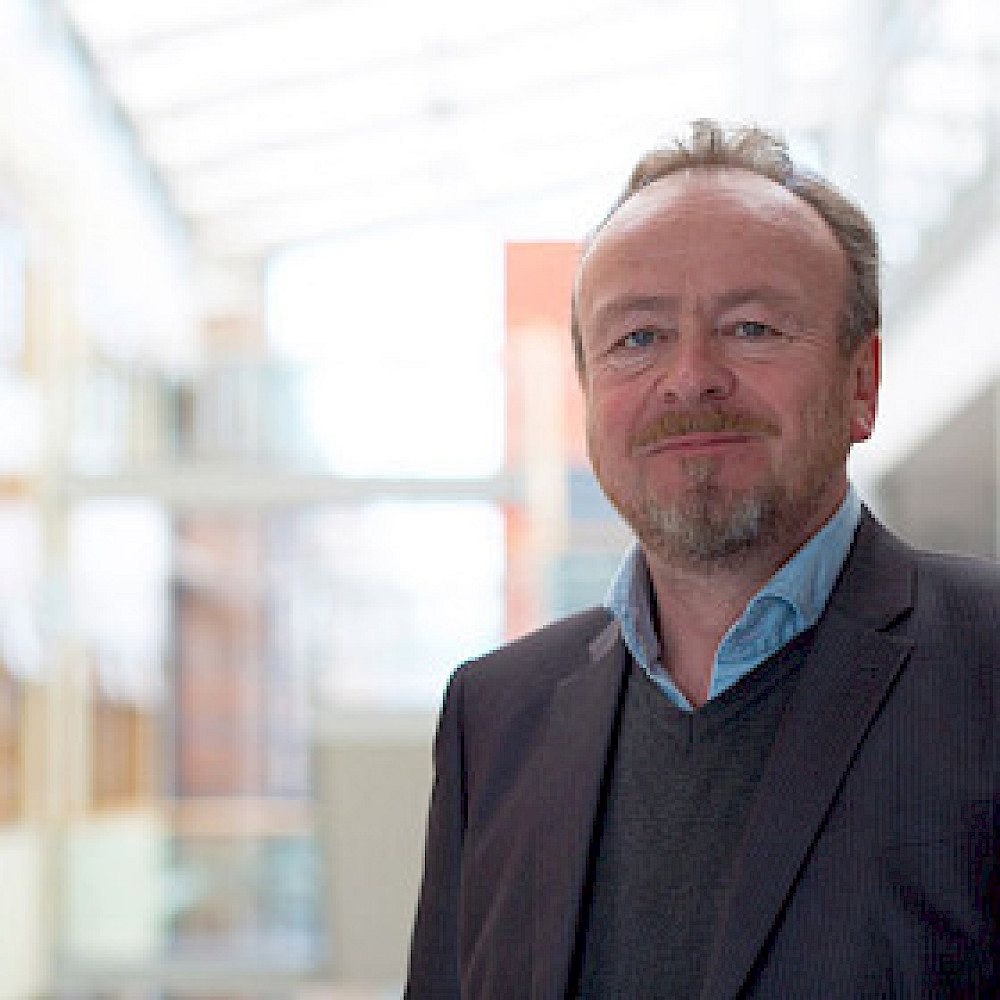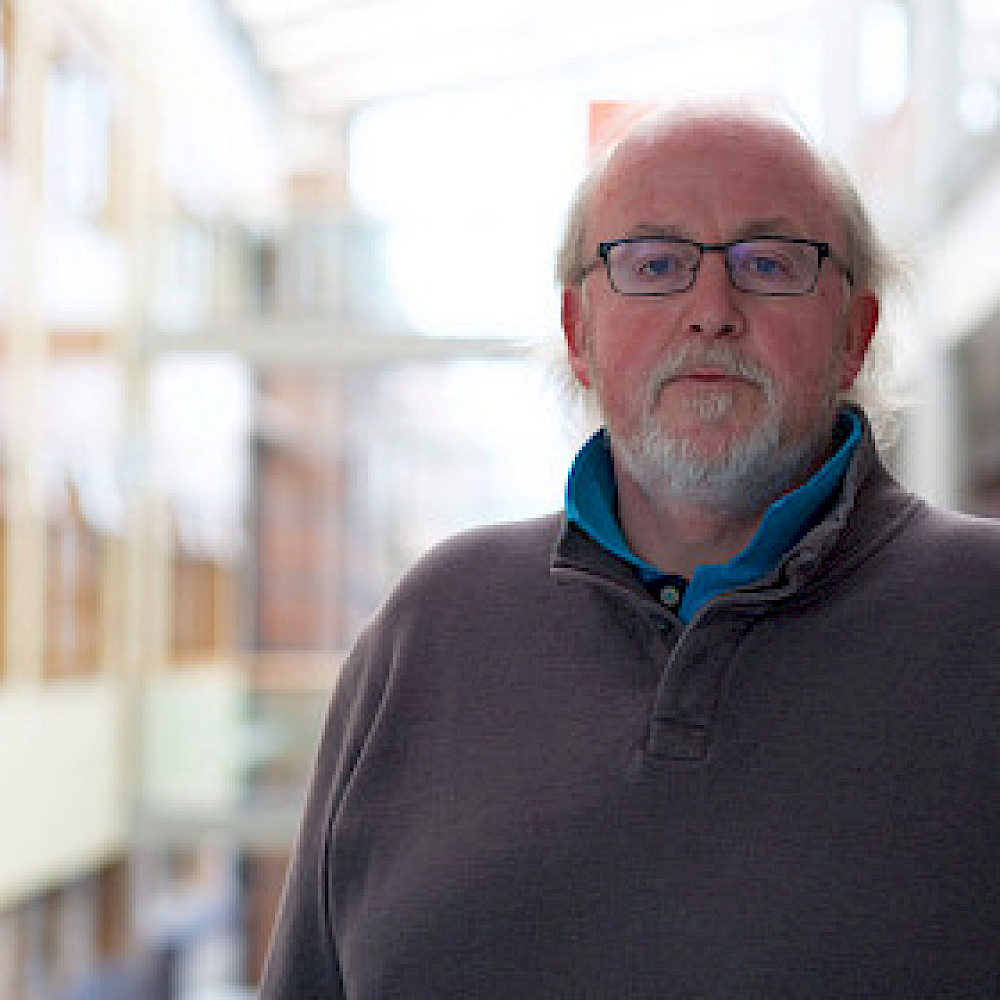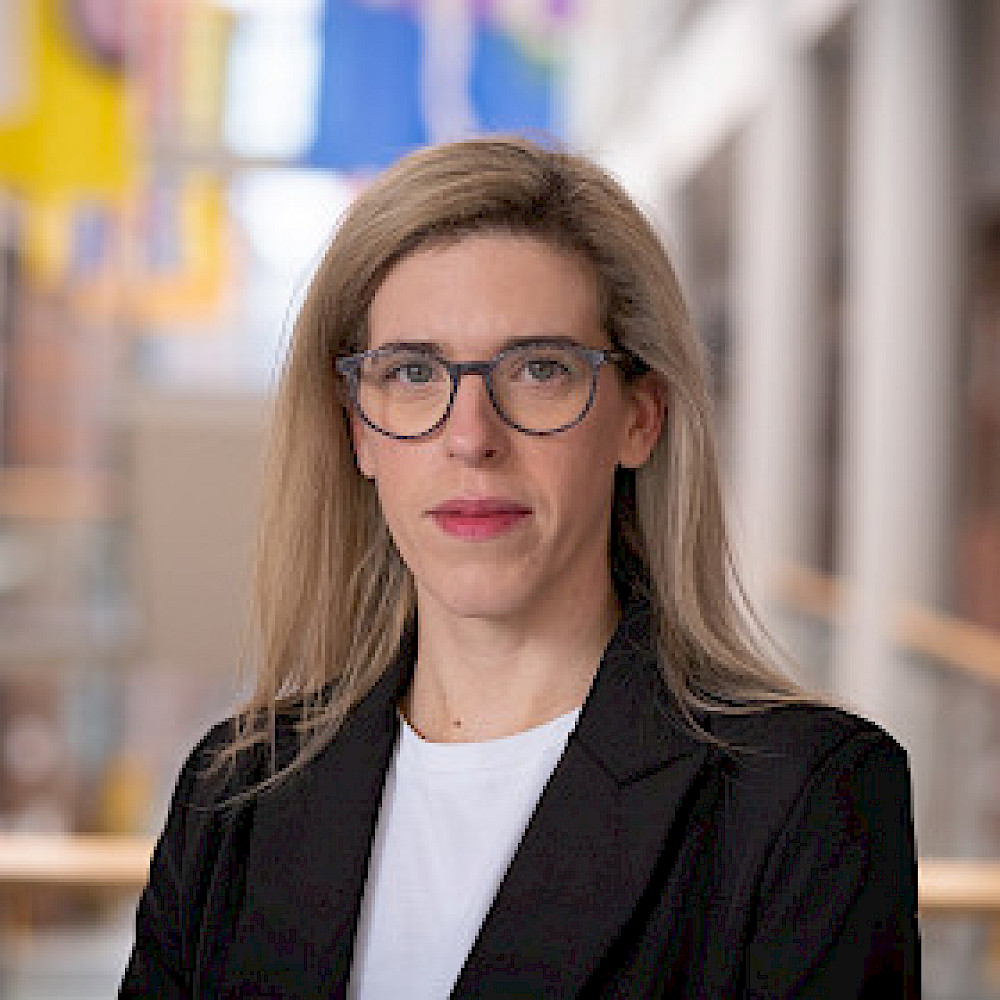

The Horizon Europe research project Resilient Media for Democracy in the Digital Age (ReMeD) concluded this week with a final conference in Brussels on 12–13 February 2026, presenting the results of three years of research across eight European countries. FUJO was proud to contribute as a project partner, with John O’Sullivan, Paul McNamara, Irene P., and Callum Craig representing FUJO’s work. This work set out to examine the structural pressures facing Europe’s media systems and to develop practical recommendations to reinforce their democratic role.
ReMeD brought together researchers and media stakeholders from Austria, Belgium, the Czech Republic, Germany, Ireland, Norway, Spain and the United Kingdom to develop a shared understanding of how Europe’s information ecosystem is evolving. The findings point to significant structural challenges: fragmentation of the information environment, declining trust in media, and increasing dependence on large technology platforms. Across Europe, the media sector is also grappling with precarious working conditions, concentration of ownership and power, and the proliferation of disinformation and hate speech.
At the same time, the research highlights that digitalisation has not only disrupted journalism but also expanded opportunities for citizen participation and diversified the media landscape. However, these developments come with new tensions, including audience fragmentation, financial pressures on news organisations, and ongoing debates about how digital spaces should be regulated in ways that protect fundamental rights.
A major pan-European study conducted as part of the project revealed that journalists, alternative content creators and citizens hold a wide range of views about democracy and how principles such as freedom of expression and non-discrimination should be translated into regulation. Rather than viewing this diversity as a weakness, ReMeD researchers emphasised that it reflects the vibrancy of European democratic debate. The challenge, they argue, is to create shared frameworks and spaces for dialogue that can strengthen resilience across the media system.
To address these pressures, the project proposes a roadmap combining professional responsibility, innovation in business models, strengthened media literacy, and more effective implementation of European digital policy. Discussions at the Brussels conference underscored a clear demand for practical solutions. Participants stressed the need to rethink traditional models, engage new content creators where appropriate, and build confidence in Europe’s digital regulatory framework.
Over the course of three years, the ReMeD consortium engaged journalists, media executives, fact-checkers, content creators and citizens through extensive qualitative and quantitative research. Particular attention was paid to key societal issues shaping Europe’s democratic future, including declining trust in institutions, climate change, socio-economic inequality, gender equality and LGBTQ+ rights, migration and integration, and war and conflict.
One of the project’s innovative outputs is the Resilient Media for Democracy Observatory, which produces AI-generated reports drawn from reliable journalistic sources on the project’s focus areas. All content is verified by human experts, reflecting ReMeD’s commitment to harnessing new technologies responsibly while safeguarding democratic standards.
The project was coordinated by the University of Navarra and brought together a broad European consortium, including the University of Agder, Charles University, Vrije Universiteit Brussel, LMU Munich, Paris Lodron University of Salzburg, University of Oxford, Dublin City University and the European Federation of Journalists.
For FUJO, participation in ReMeD reinforced a central conclusion of the project: democratic resilience in Europe depends on a pluralistic, sustainable and trustworthy information ecosystem. Strengthening journalism, supporting media literacy, fostering responsible innovation, and ensuring effective policy implementation are not separate tasks, they are interconnected pillars of democratic health.
Related Projects

ReMeD tackles existing challenges to a healthy relationship between media and democracy by taking a bold approach to improve relations between citizens, media and digital technologies. With an interdisciplinary approach and an innovative methodology that combines qualitative and quantitative methods, ReMeD gathers, analyses, compares and contrasts data on professional journalists, alternative media content producers and citizens operating in technologically mediated configurations, and on the m...